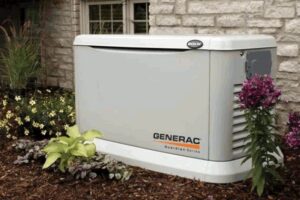
A power outage can shut down more than the lights. Heating and cooling equipment, refrigerators, well pumps, medical devices, home offices, and other systems can all stop at the same time. Blue Mountain Plumbing, Heating & Cooling delivers generator installation in Fishersville & Shenandoah Valley, VA, helping homeowners keep essential electrical loads running when utility power goes out.
Â
A whole-home standby generator stays outside the home and is connected to the electrical system so backup power can begin automatically during an outage. Our licensed electricians help determine what you want to keep powered, size the equipment around those needs, and plan the installation for your property.
Â
Call (540) 942-2700 or schedule service online to discuss generator installation in Fishersville & Shenandoah Valley, VA.
Stay Ready When Utility Power Goes Down
A portable generator can be useful for limited backup power, but it requires someone to move equipment, manage cords, add fuel, and start the unit after an outage begins. A permanently installed standby generator takes a different approach by remaining in place and responding automatically when utility service is interrupted.
Â
That can make outages easier to manage during severe weather, overnight failures, or times when nobody is home. Backup power can also help keep HVAC equipment, refrigeration, pumps, selected lighting, communications, and other important systems available depending on the generator and electrical setup.
Whole-Home Generator Installation in Fishersville & the Shenandoah Valley
Installing a standby generator involves more than choosing a unit with a certain output rating. The generator, fuel supply, electrical connections, transfer equipment, placement, and household power requirements all need to work together.
Â
Our generator installation process can include:
Â
- Home power assessment: Identify the appliances, equipment, and circuits you want available when utility power is lost.
- Generator sizing: Select capacity based on expected electrical demand rather than relying on home square footage alone.
- Generator placement planning: Determine an outdoor location with the clearance, access, and stable surface required for the equipment.
- Fuel-source planning: Review available natural gas, propane, or other supported fuel options based on the home and generator.
- Automatic transfer switch installation: Connect equipment that detects a utility outage and transfers the home’s selected electrical load to generator power.
- Electrical connections: Integrate the standby generator with the home’s electrical system using properly installed wiring and controls.
- Fuel connections: Coordinate the fuel supply needed for dependable generator operation.
- Startup configuration: Set up controls and operating settings so the system can respond properly when utility power changes.
- System testing: Simulate operation and verify that the generator and transfer equipment respond as intended.
- Homeowner orientation: Explain basic operation, testing, shutdown procedures, and the ongoing care the generator will need.
The property and backup-power goals guide the installation. A homeowner interested in keeping a refrigerator, well pump, furnace, and a few circuits available may need a different setup from someone who wants broader whole-home coverage.
Choose Generator Capacity Around What You Need to Keep Running
Generator sizing starts with electrical load. Large equipment such as air conditioners, heat pumps, electric water heaters, pumps, and certain appliances can require considerably more power than lighting, electronics, or smaller household devices.
Â
Our skilled electricians can help identify which loads matter most during an outage and how they affect generator capacity. That approach helps avoid installing equipment that cannot support the intended circuits or paying for more generator capacity than the home is likely to use.
Automatic Backup Power Takes Over the Switching for You
One of the biggest differences between a standby system and a portable generator is the automatic transfer process. When the utility supply fails, the transfer equipment detects the loss of power, starts the generator, and shifts the connected electrical load to the backup source.
Â
When utility power returns, the system transfers the load back and allows the generator to shut down according to its operating sequence. That automatic response can be especially useful during nighttime outages, when you are away from home, or when quick access to backup power matters.
Plan the Generator Location & Fuel Supply Together
Standby generators are installed outdoors and need appropriate clearance from openings such as windows and vents. Placement also needs to account for service access, the electrical connection, the fuel source, and any local permitting or inspection requirements that apply to the project.
Â
Fuel choice can also influence installation. Natural gas can connect to an existing home supply where available, while propane allows fuel to be stored on the property. Blue Mountain Plumbing, Heating & Cooling can review the installation conditions and explain how the available options affect your project.
Generator Installation Questions Shenandoah Valley Homeowners Ask
Will a whole-home generator run my air conditioner or heat pump?
It can if the generator and electrical setup are sized for that load. HVAC equipment can require a significant amount of power, so tell your installer if maintaining heating or cooling during an outage is a priority.
Does a standby generator turn on automatically?
Yes. A properly installed standby system uses transfer equipment that detects a utility outage and starts the generator automatically without requiring you to go outside and start it manually.
How do I know what size generator my home needs?
The answer depends on the electrical loads you want backed up and how much power those loads require. An installer can review appliances, HVAC equipment, pumps, and other circuits to calculate an appropriate capacity.
Can a whole-home generator run on propane?
Many standby generators can operate on propane, while other installations may use natural gas or another supported fuel. The equipment selected and the fuel available at the property determine the setup.
Does a standby generator need maintenance after installation?
Yes. Routine testing and service help confirm that the generator, battery, transfer equipment, fuel system, and other components remain ready for an outage. A generator that rarely needs to run for an emergency still needs periodic attention.
Licensed Generator Installation From a Local Team
Blue Mountain Plumbing, Heating & Cooling has served Western Virginia since 2002 and operates from locations in Fishersville, Harrisonburg, and Staunton. The company is fully licensed and insured, and its generator installations are completed by licensed electricians who can handle the electrical connections and transfer equipment required for standby power.
Â
Flexible financing is available for qualifying projects, giving homeowners another way to plan a whole-home generator investment. Blue Mountain also offers straightforward pricing so you can understand the project before installation moves forward.
Generator Installation Across the Shenandoah Valley
Blue Mountain installs standby generators for homeowners in Fishersville and communities throughout the Shenandoah Valley, including Churchville, Waynesboro, Verona, and Weyers Cave. Properties throughout the region differ in fuel availability, electrical demand, HVAC equipment, well systems, and the circuits homeowners consider essential during an outage.
Â
Those differences are why generator planning starts at the home. Our team can help you decide what needs backup power and build the installation around the way your household actually uses electricity.
Keep the House Running When the Grid Cannot
An outage is easier to manage when backup power is already installed and ready to respond. A properly sized standby generator can keep important home systems available automatically instead of leaving you to find cords, fuel, and portable equipment after the lights have already gone out.
Â
Blue Mountain Plumbing, Heating & Cooling can help you choose a generator, plan the electrical and fuel connections, install the transfer equipment, and test the finished system. The result is a backup-power setup built around what you want to keep running during the next Shenandoah Valley outage.
Â
Call (540) 942-2700 or contact Blue Mountain online to schedule a generator installation consultation in Fishersville & Shenandoah Valley, VA.
